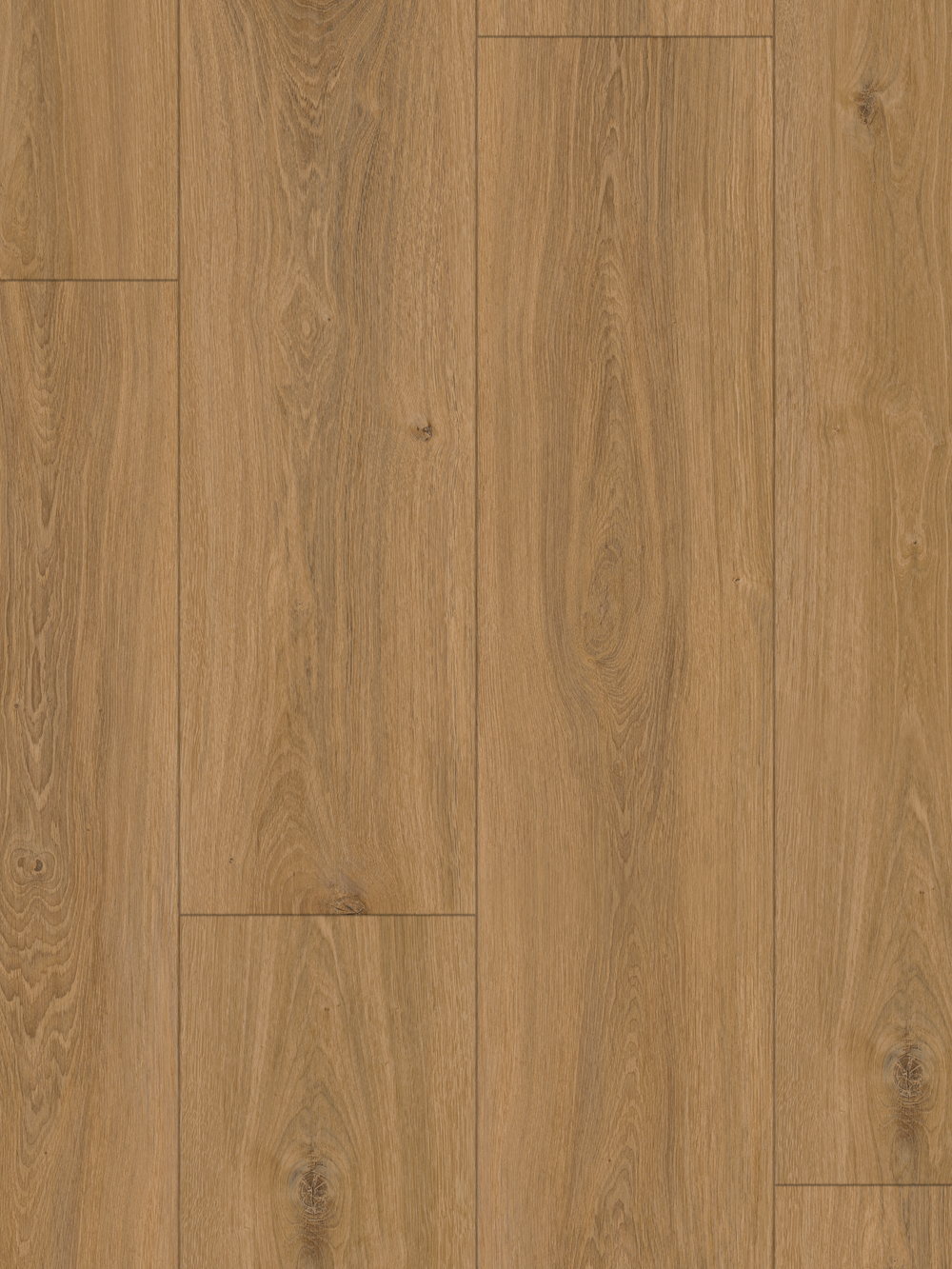
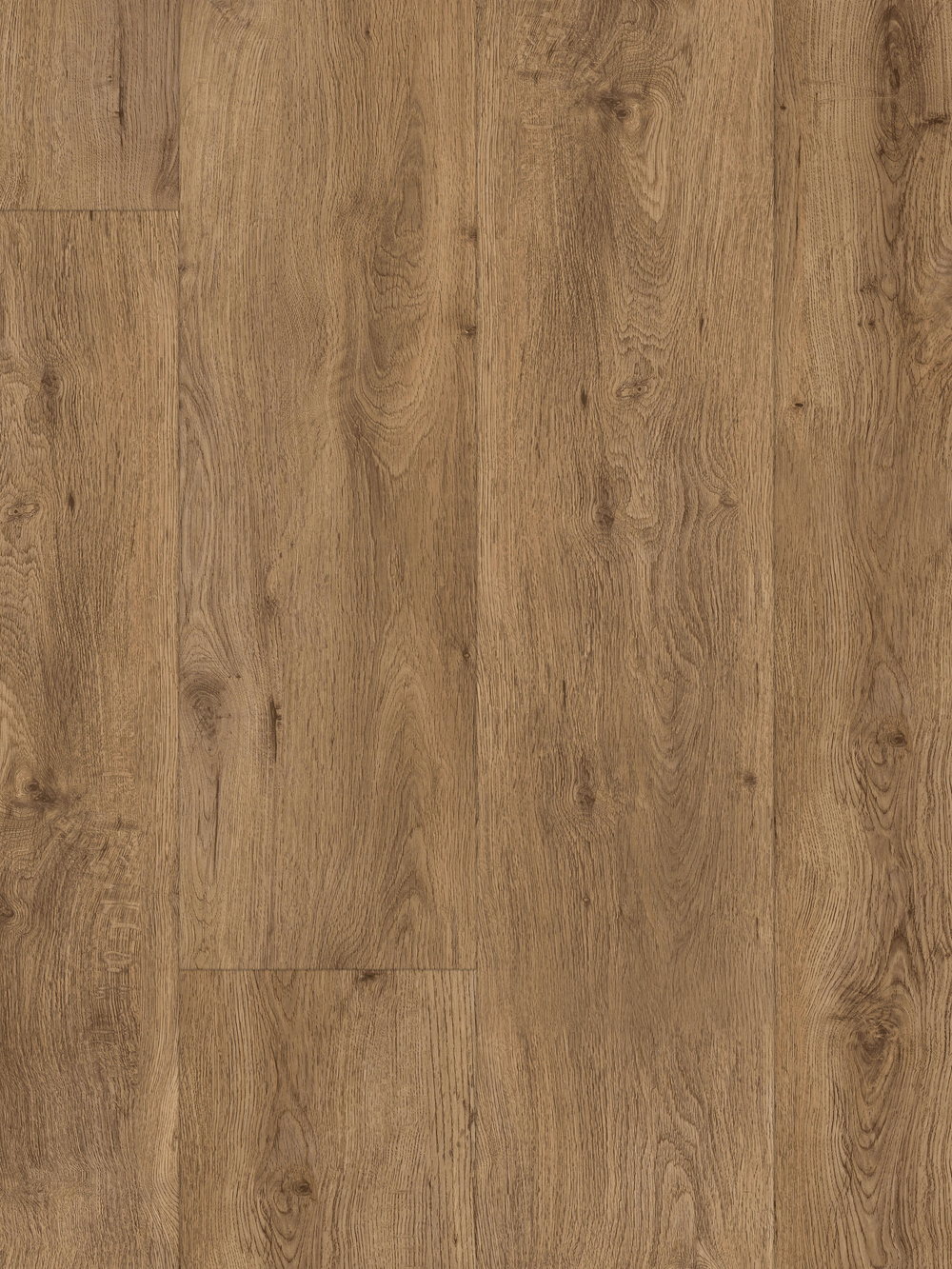
Measured colour · per model
#9D7A54L* 46.0–57.6 · locked reference
The on-screen value identifies the record; the physical plank remains the material reference.


40.63° N · 14.60° E · Amalfi, Tyrrhenian Italy
A warm honey-amber — deep and alive.
ENGINEERED ESPC · WATER-RESISTANT FOR EVERYDAY USE · UNDERFLOOR-HEATING READY
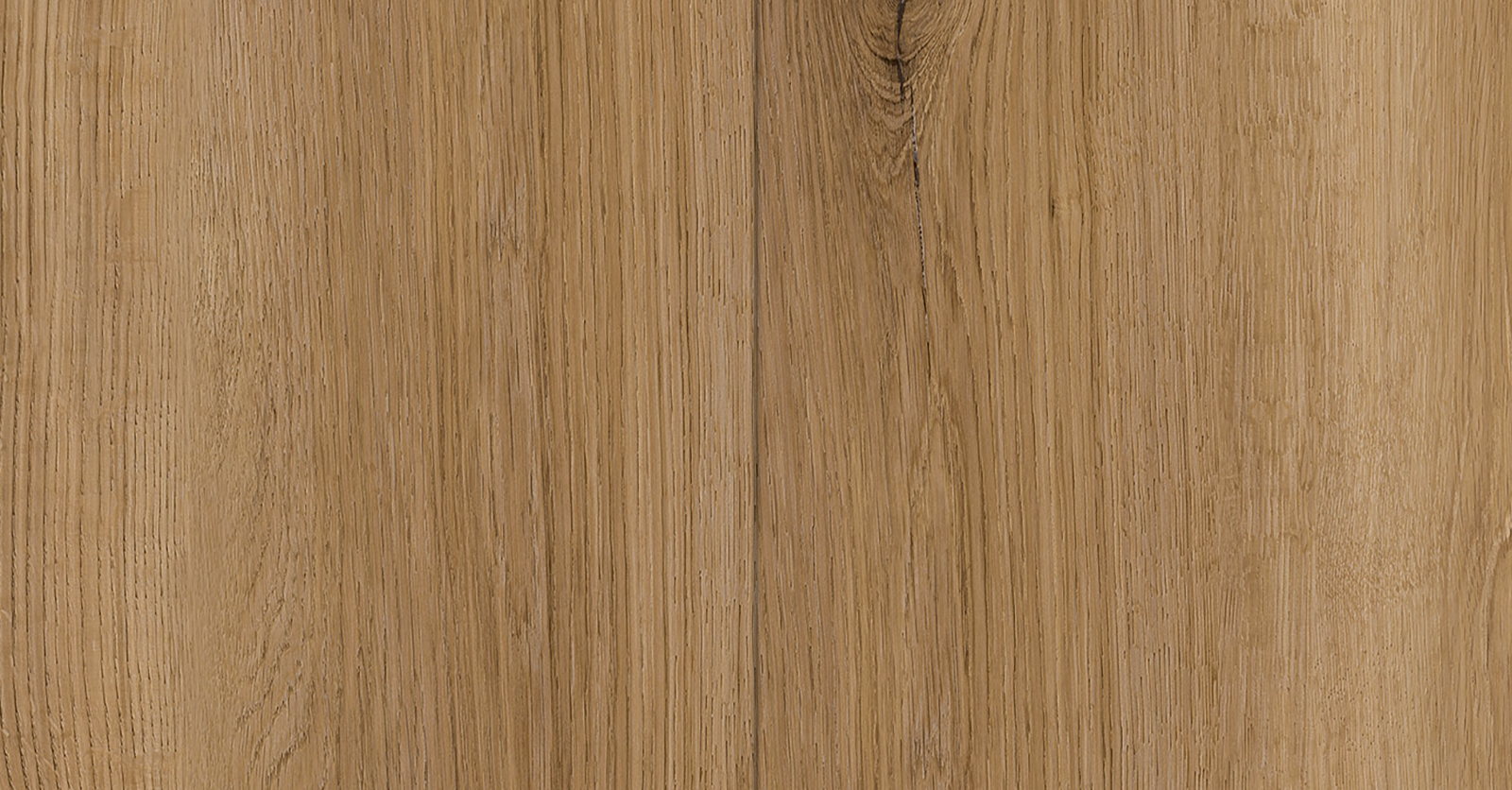
The tones in this floor
Sampled from the real plank — light boards to dark, as you would lay them. Six tones, not one square.
Vivid, generous warmth — deepens to gold under late light.
Request a quote for this model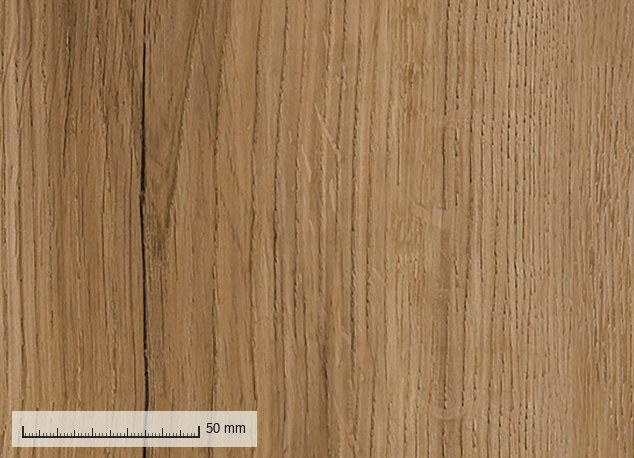
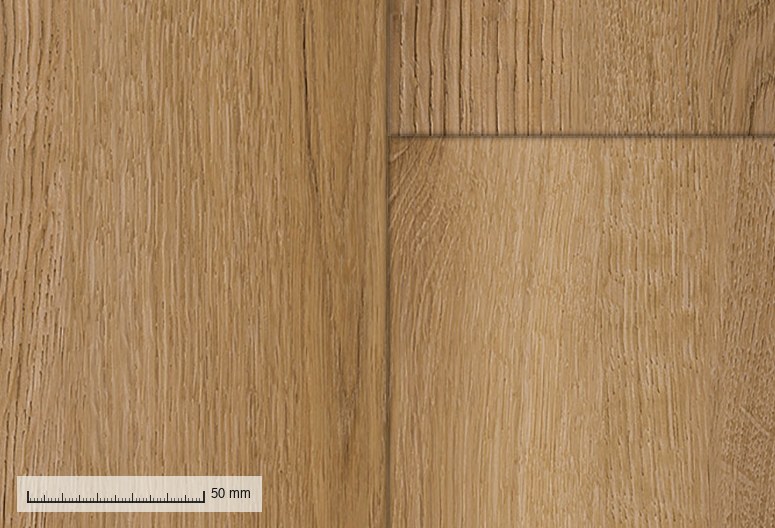
Original pixels — 3.52 per millimetre. Nothing enlarged, nothing retouched. The rule is printed at the plank’s own scale, so you can measure it yourself.

Move the light — the plank is measured and locked; only the light changes.
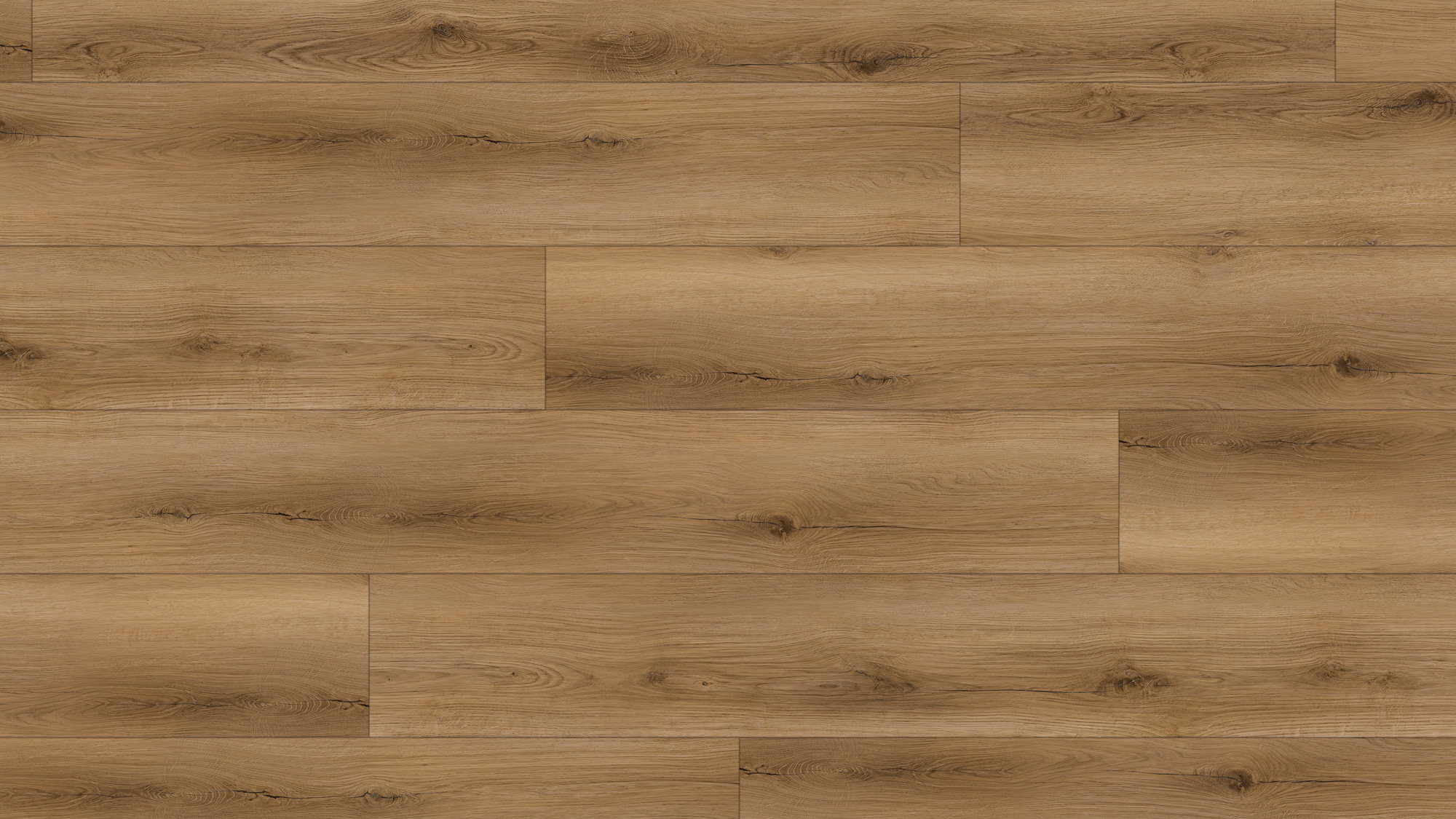
Good to know Think twice if you want a quiet, recessive floor — this is one of our most present, saturated tones.
A starting palette · one floor, five companions
Cream and warm limestone are the Amalfi coast stone. Limewash opens the room; one iron profile sets the edge.
Amalfi floor · Limewash white · Cream stone · Warm limestone · Black iron
The measured colour, construction sections, printable specification and evidence standing — together, without turning a family report into a model-specific claim.
Measured colour · per model
The on-screen value identifies the record; the physical plank remains the material reference.
Construction sections
Files · ready to use
Evidence standing
The three positions are derived from the locked colour of all 18 models — b*, L* and C*ab of the instrument reading. They place this floor in the collection; they are not a rating.
Measured, again and again — the readings converge on one.
Specification clause · ready to paste
CARETTA Amalfi (2190-1) — engineered ESPC rigid-core flooring, 1830 × 230 mm. Rigid core, décor layer and wear layer; ultra-matte surface with a four-sided micro-bevel. Floating click installation. Declared values: 7.0 mm overall, 0.55 mm wear layer, underfloor-heating compatible. Water-resistant rigid core for everyday use; the installed floor is not a waterproofing system. Declarations of performance, current certificates and measured colour reference issued to specifiers on request.
What it includes
A quote is itemised line by line — boards for your area, edge and threshold profiles, and anything else the job needs. Nothing bundled, nothing assumed.
How it arrives
Send the rooms and their approximate area — by form or WhatsApp. A person, not an autoresponder, replies personally with the itemised quote.
Why no public price list
A floor is priced from its specification: the model, the area, the condition of the existing base and the finishing details. A number published before those are known would be a guess — we don’t guess. Asking costs nothing and commits you to nothing.
AMALFI 2190-1 · 40.63° N · 14.60° E
A warm, saturated honey-amber with real life in the grain. In bright light it deepens to gold; the floor a room is built around, not over.
Plenty of floors hold a room. Few make it sing.
Chalk white · pale travertine · a blue-and-white tile note
A person replies — never an autoresponder