Measured colour · per model
#9A7957L* 47.3–56.8 · locked reference
The on-screen value identifies the record; the physical plank remains the material reference.


51.22° N · 4.40° E · Antwerp, Belgium
A deeply textured oak — where the grain is the point.
ENGINEERED SPC · WATER-RESISTANT FOR EVERYDAY USE · UNDERFLOOR-HEATING READY
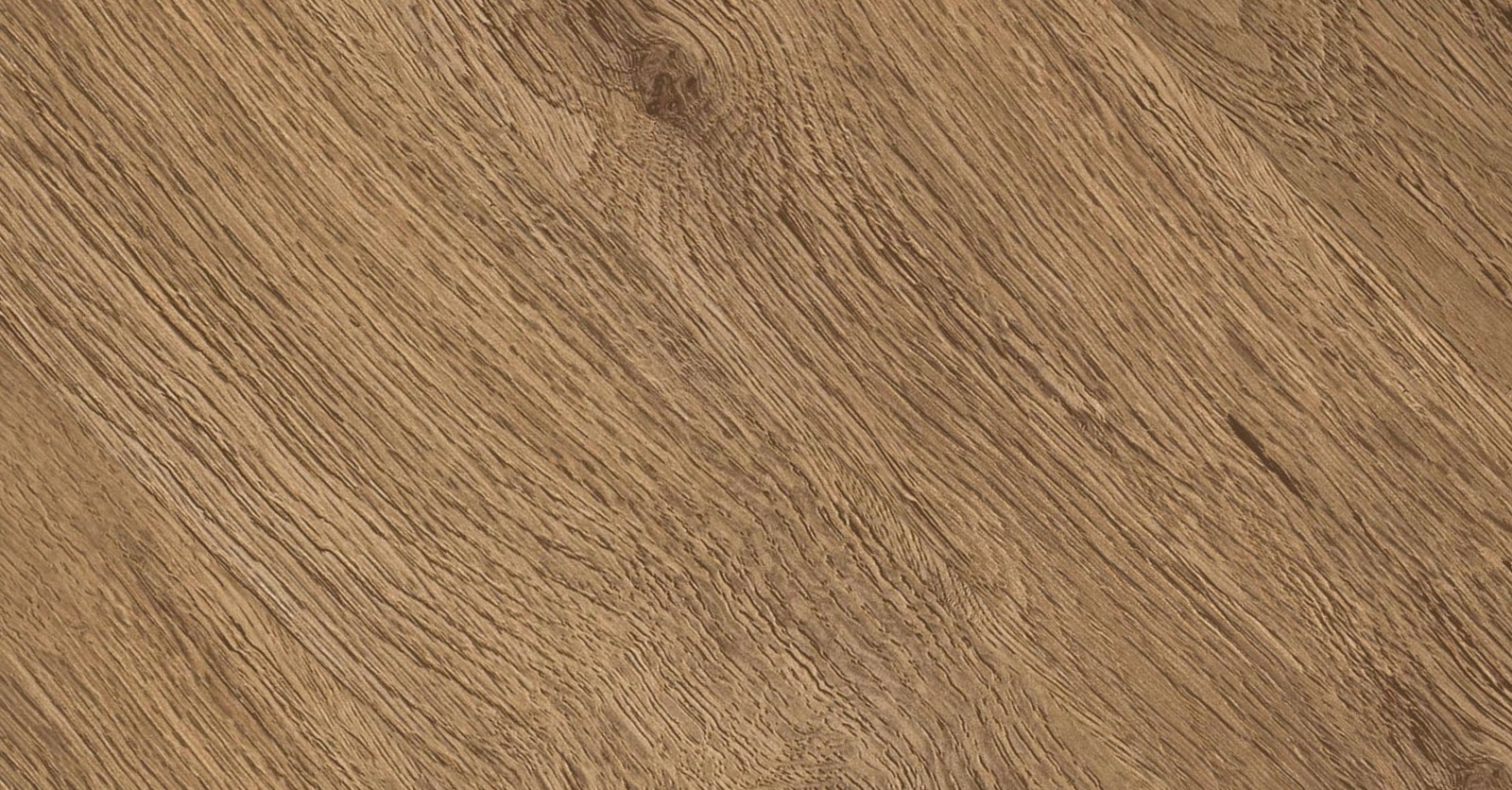
The tones in this floor
Sampled from the real plank — light boards to dark, as you would lay them. Six tones, not one square.
Raw, warm material — the figure is the décor, one quiet tonal mass.
Request a quote for this model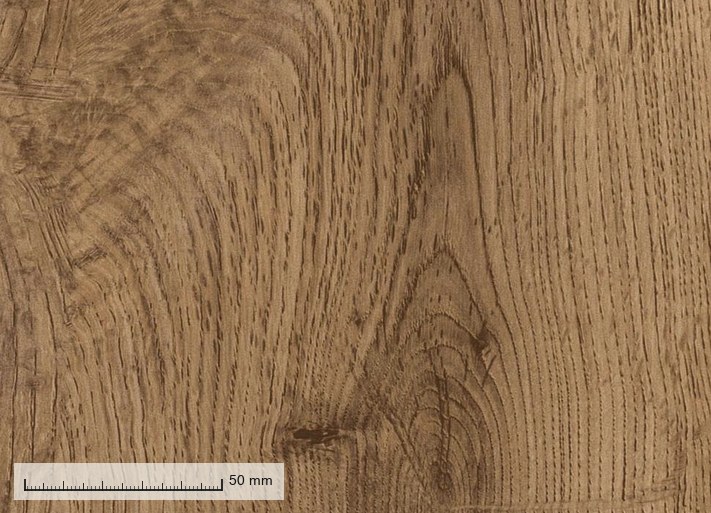
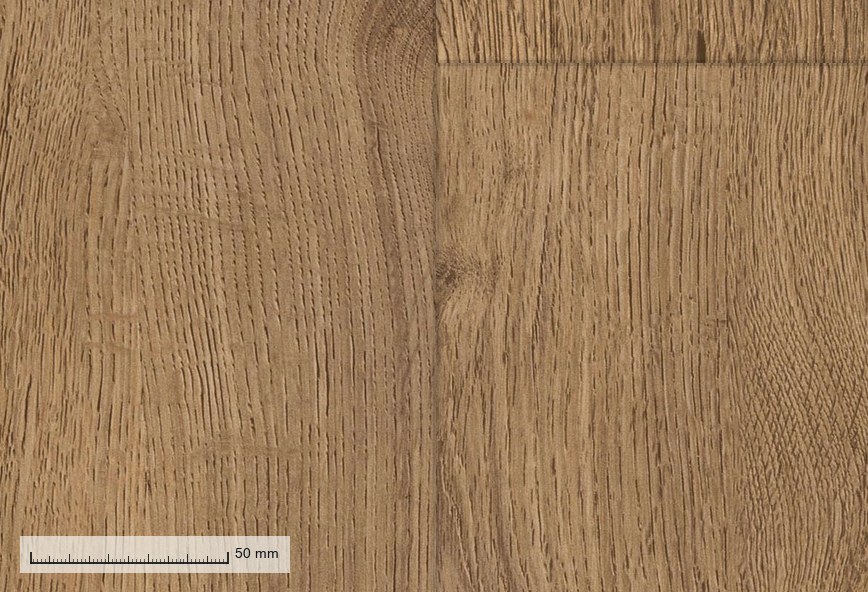
Original pixels — 3.95 per millimetre. Nothing enlarged, nothing retouched. The rule is printed at the plank’s own scale, so you can measure it yourself.

Move the light — the plank is measured and locked; only the light changes.
Good to know Think twice if you want a smooth, uniform floor — this one is all character and texture.
A starting palette · one floor, five companions
Belgian minimal: hand-rubbed lime, warm limestone, an even quiet field. Black iron at the entry marks the cold-to-warm crossing.
Antwerp floor · Limewash white · Warm limestone · Pale stone · Black iron
The measured colour, construction sections, printable specification and evidence standing — together, without turning a family report into a model-specific claim.
Measured colour · per model
The on-screen value identifies the record; the physical plank remains the material reference.
Construction sections
Files · ready to use
Evidence standing

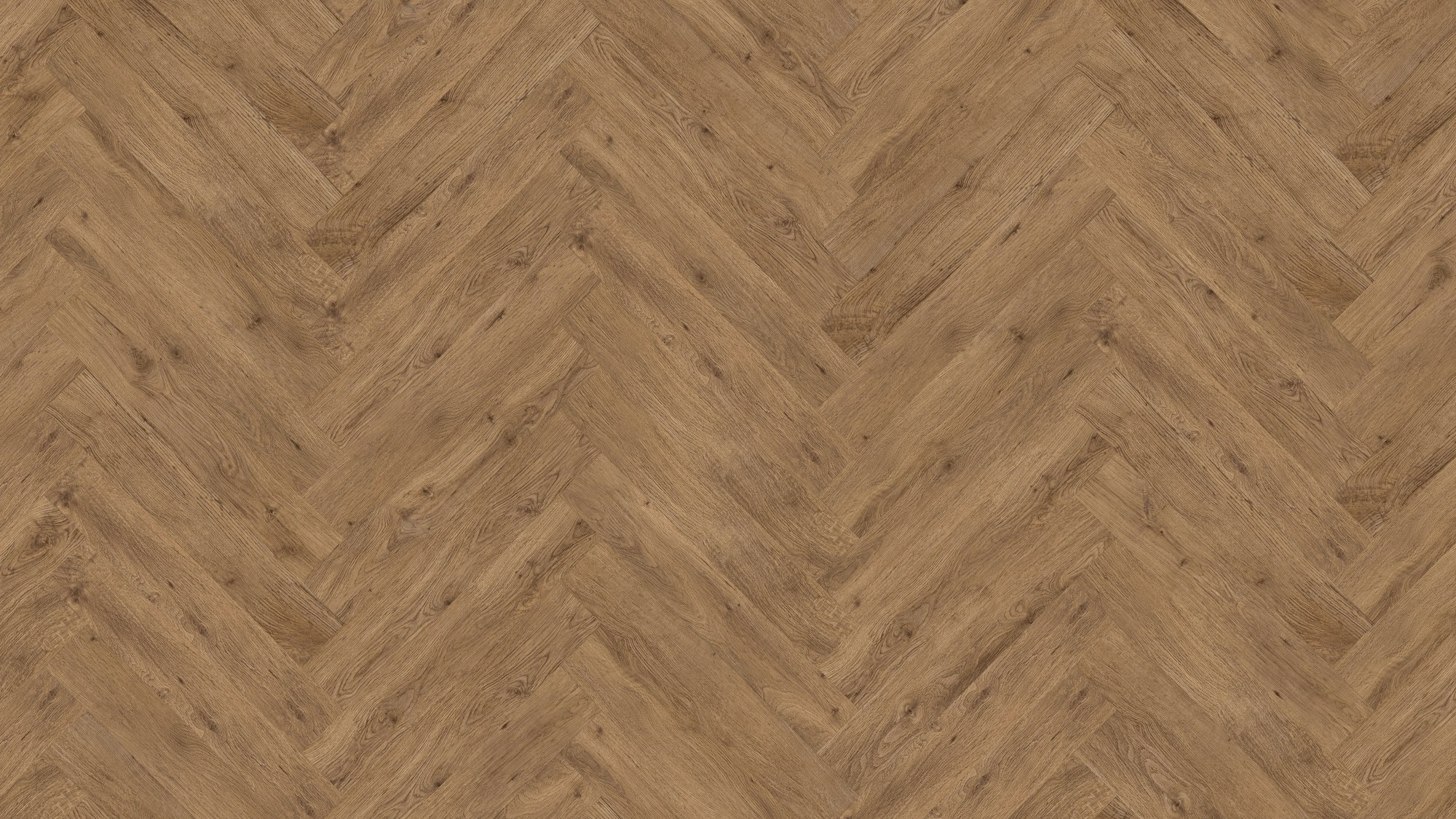
Also made as a long plank
Identical décor, identical measured colour, identical build — 1830 × 228 mm boards instead of 100 × 600 mm pieces.
The three positions are derived from the locked colour of all 18 models — b*, L* and C*ab of the instrument reading. They place this floor in the collection; they are not a rating.
Measured, again and again — the readings converge on one.
Specification clause · ready to paste
CARETTA Antwerp (1014) — engineered SPC rigid-core flooring, 1830 × 228 mm, 7.0 mm overall, 0.55 mm wear layer, underfloor-heating compatible. Rigid core, décor layer and wear layer; ultra-matte surface with a four-sided micro-bevel. Floating click installation. Water-resistant rigid core for everyday use; the installed floor is not a waterproofing system. Declarations of performance, current certificates and measured colour reference issued to specifiers on request.
What it includes
A quote is itemised line by line — boards for your area, edge and threshold profiles, and anything else the job needs. Nothing bundled, nothing assumed.
How it arrives
Send the rooms and their approximate area — by form or WhatsApp. A person, not an autoresponder, replies personally with the itemised quote.
Why no public price list
A floor is priced from its specification: the model, the area, the condition of the existing base and the finishing details. A number published before those are known would be a guess — we don’t guess. Asking costs nothing and commits you to nothing.
ANTWERP 1014 · 51.22° N · 4.40° E
A warm, deeply textured oak where the grain is the point. It sits at one quiet density with brick and plaster, raw and real, never decorated.
Plenty of floors are finished. Few feel this much like matter.
Chalk kalei · blue-grey stone · dark ash
A person replies — never an autoresponder